

EQUESTRIAN CULTURES
HORSEBACK EXPEDITIONS AROUND THE WORLD
Raised among horses, at Finca Moreiras we have developed a deep passion not only for riding, but also for the rich diversity of equestrian cultures found across the world. Over the years, we have led expeditions to some of the most remote regions of the planet, from the vast steppes of Central Asia to the endless grasslands of the Argentine Pampas, exploring and documenting unique horse cultures and traditions.
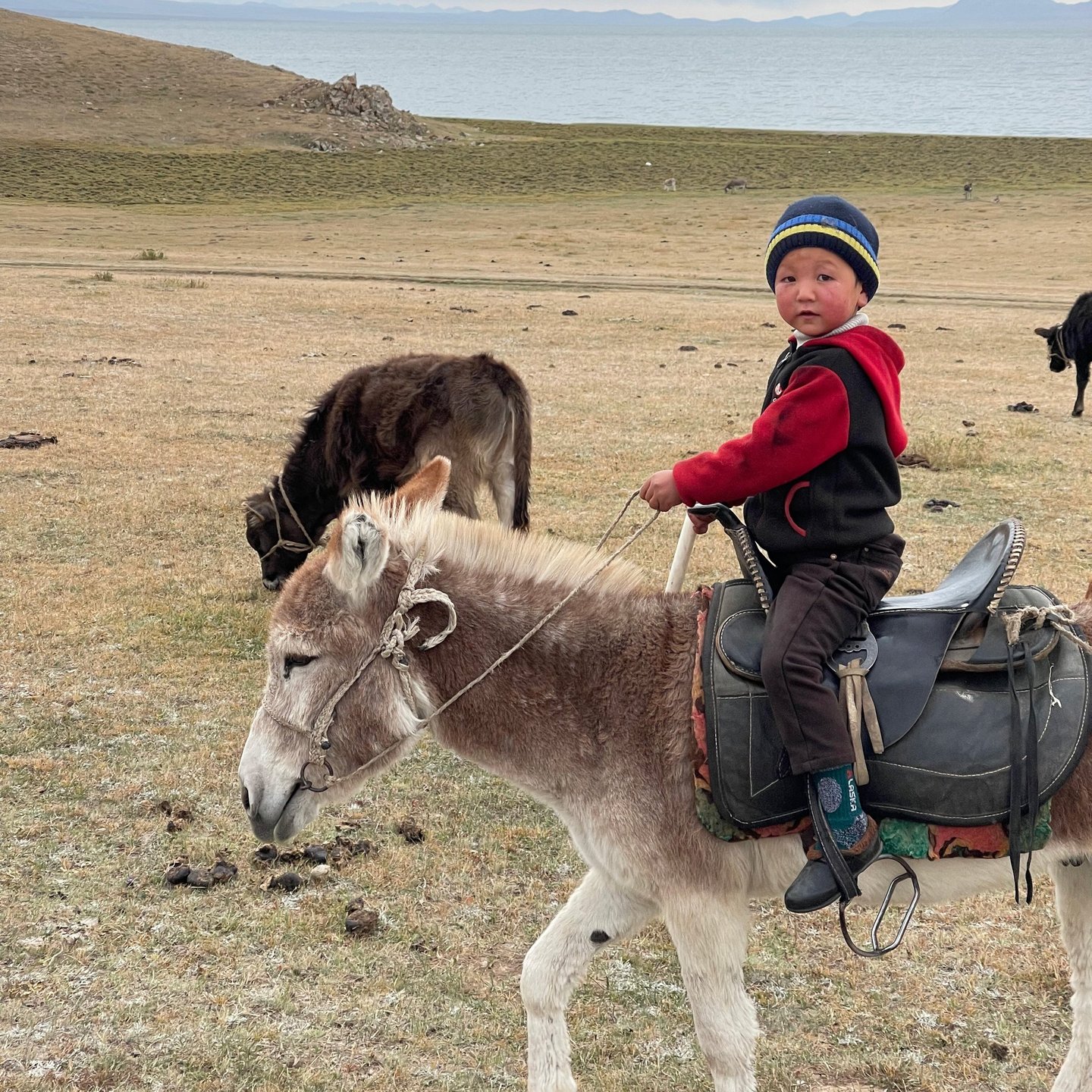
In both Mongolia and Kyrgyzstan, horses lie at the heart of nomadic life. Children learn to ride almost before they can walk, and horses are considered valued members of the family. In Mongolia, the Morin Khuur, a traditional instrument shaped like a horse’s head, symbolizes the deep connection between the Mongolian people and their horses. In Kyrgyzstan, kumis—fermented mare’s milk—is a sacred drink and an essential part of life for the nomadic communities that continue to roam the high mountain pastures.
ASIA: THE NOMADS OF THE STEPPES
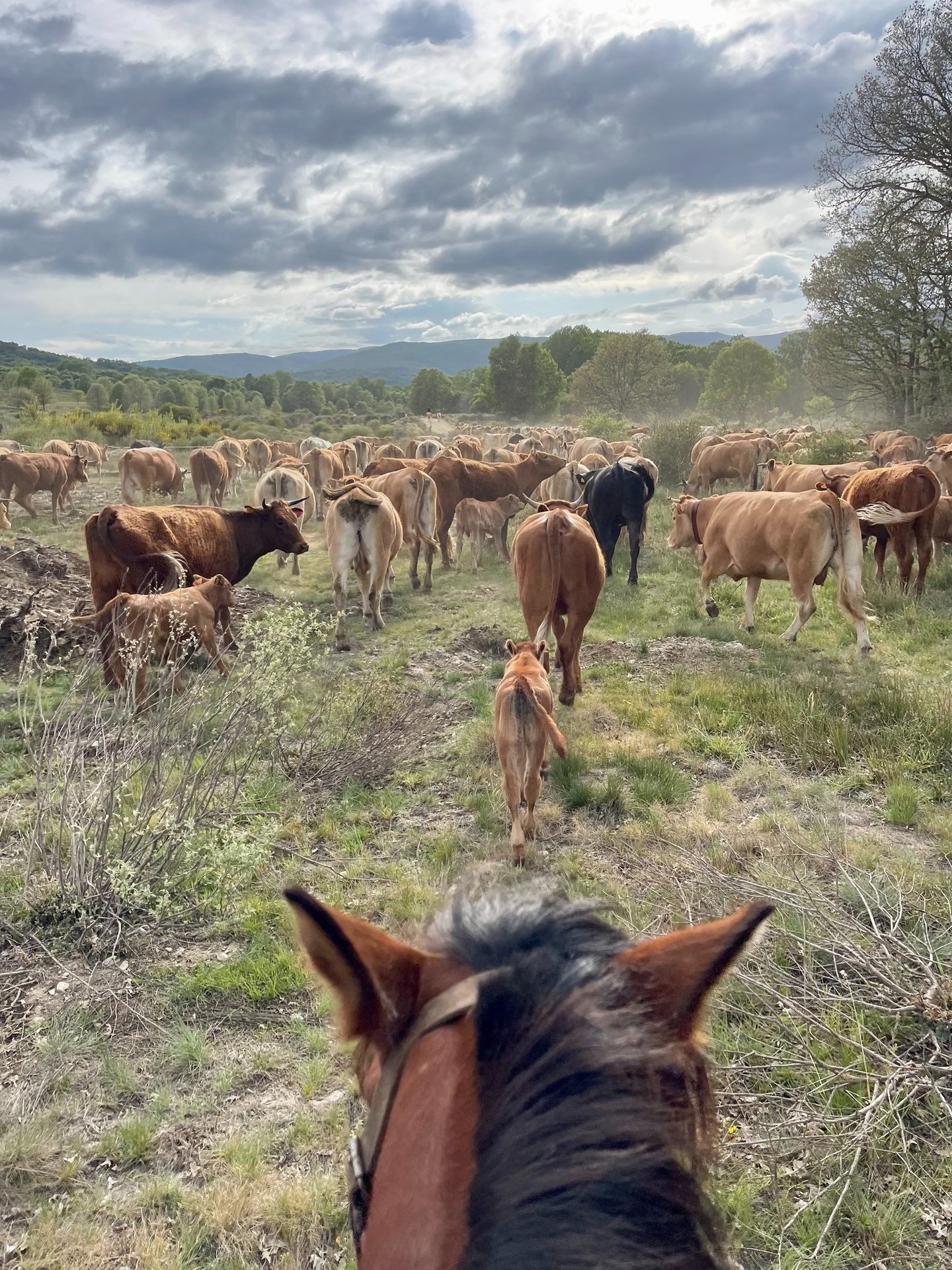
The Iberian Peninsula is the birthplace of traditional cattle horsemanship, brave bulls and centuries-old rural traditions. For generations, horsemen carrying their garrocha poles have worked livestock across the countryside. In Spain, the Andalusian horse, and in Portugal, the Lusitano, are sister breeds renowned for their elegance, intelligence and athletic ability. They excel in disciplines such as classical dressage, working equitation and traditional bullfighting horsemanship, all of which reflect the rich equestrian heritage of the Iberian Peninsula.
SPAIN & PORTUGAL: THE ART OF THE IBERIAN HORSE
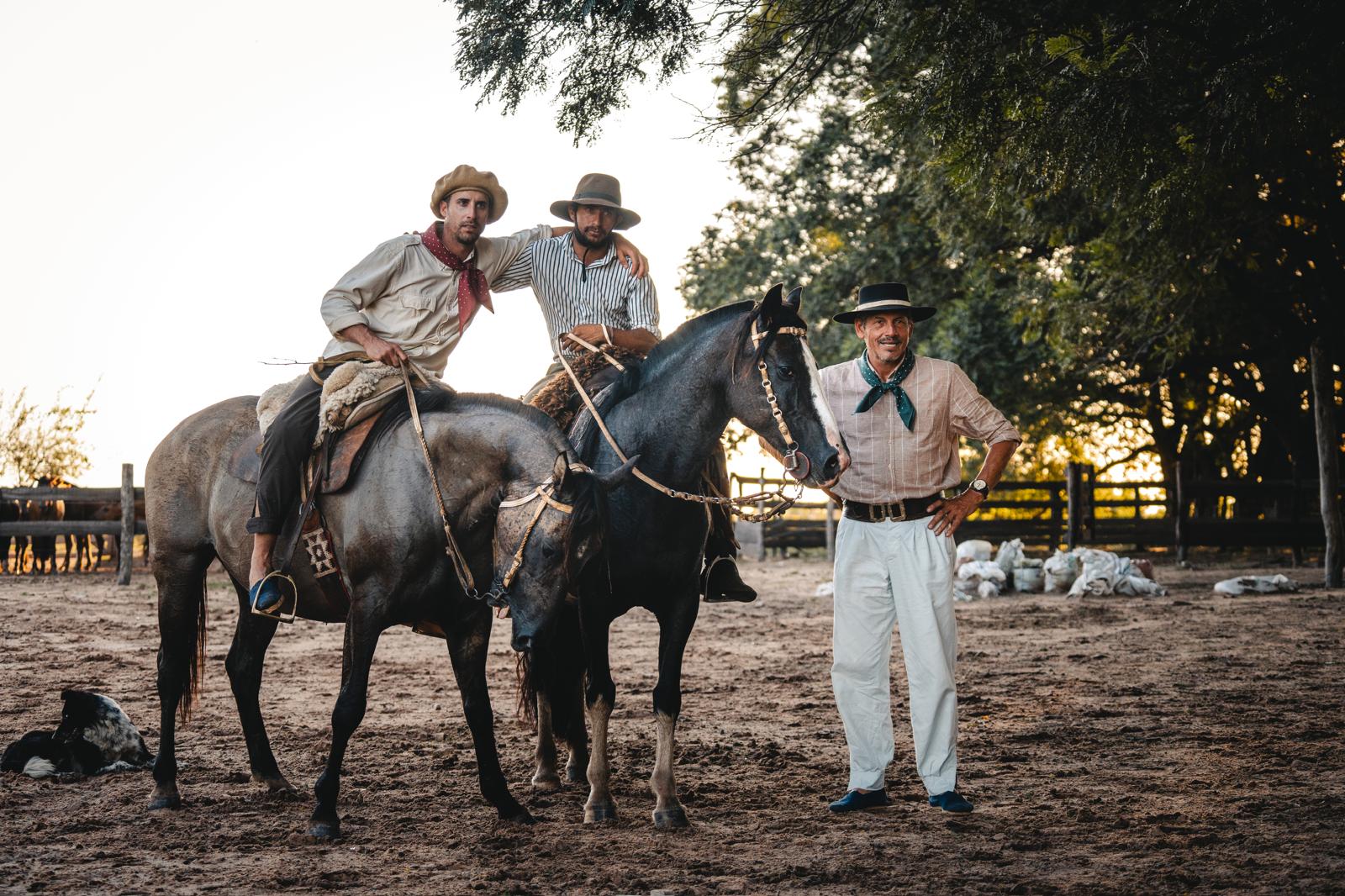
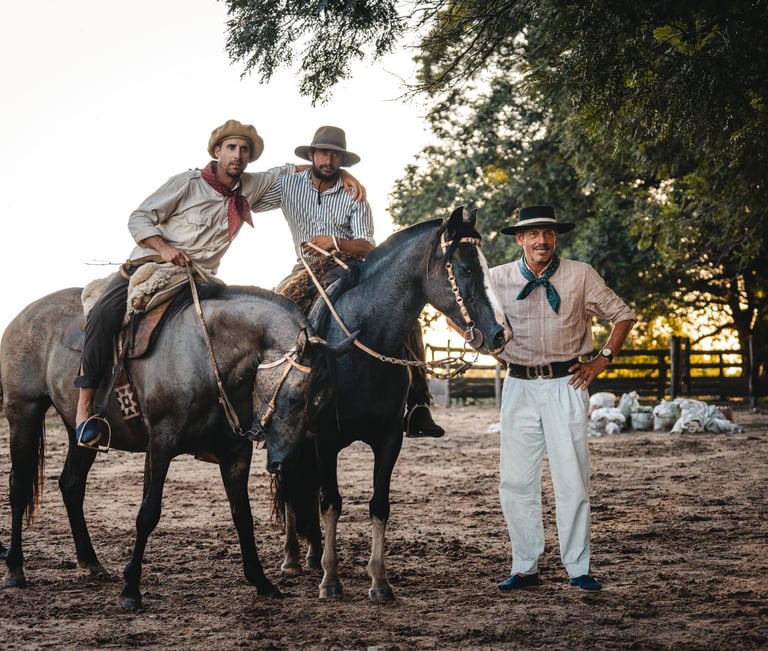
In Argentina, the gaucho embodies freedom, independence and exceptional horsemanship. From the Andes Mountains to the vast Pampas, we discovered their expertise in training the Criollo horse, working cattle and preserving the traditions and folklore that remain central to Argentine identity.
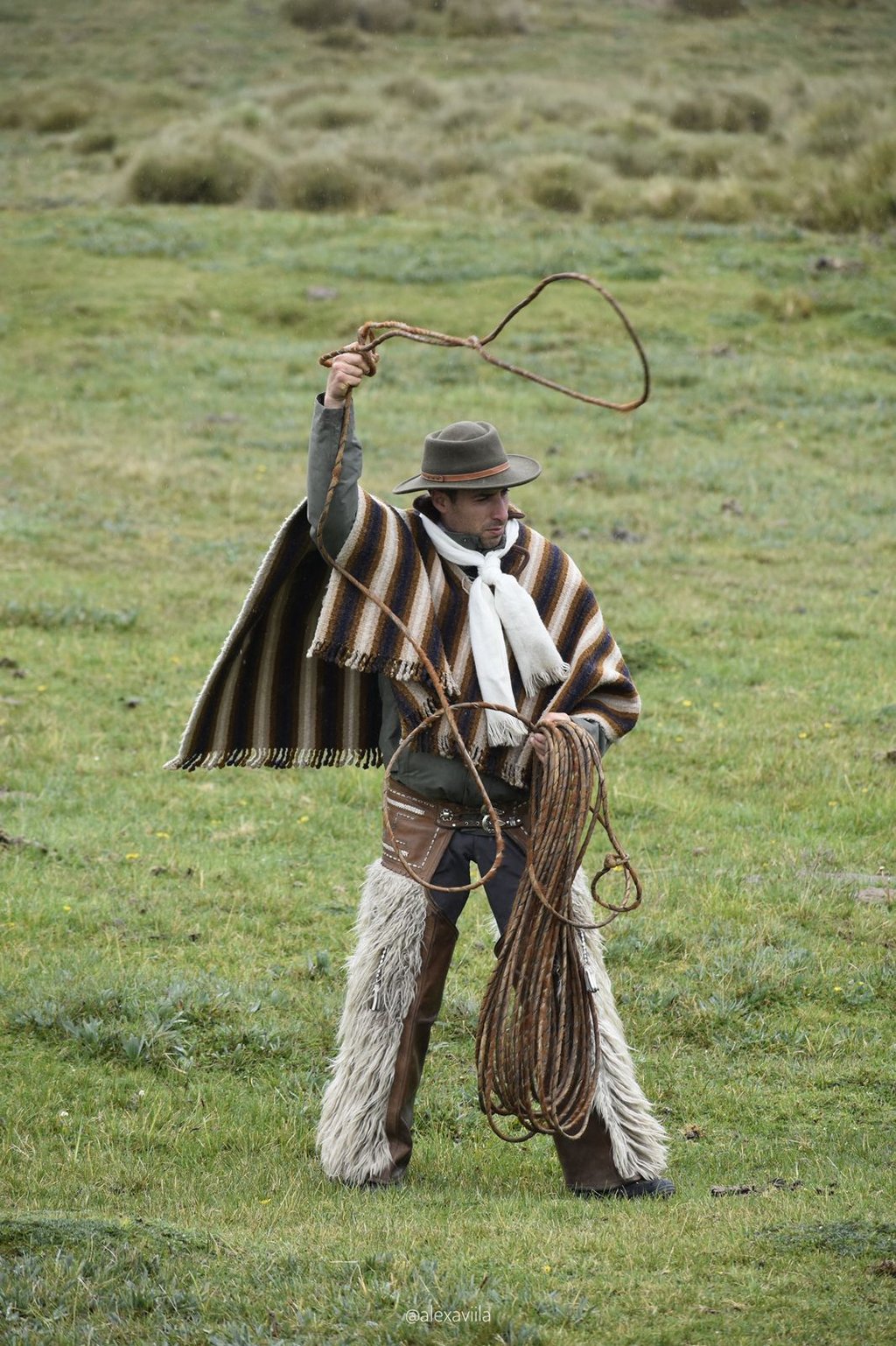
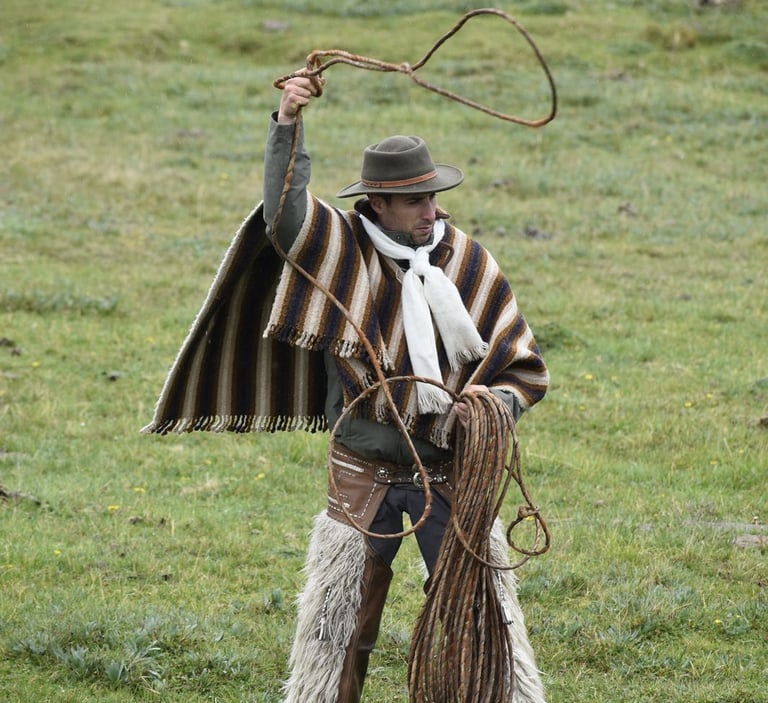
In Ecuador, the Chagras are the cowboys of the high Andes. Renowned horsemen and symbols of tradition, pride and resilience, they live and work alongside their cattle in the harsh conditions of the Ecuadorian páramos, where altitude, weather and isolation demand extraordinary toughness.
ECUADOR & ARGENTINA: THE CHAGRAS OF THE ANDES AND THE GAUCHOS OF THE PAMPAS
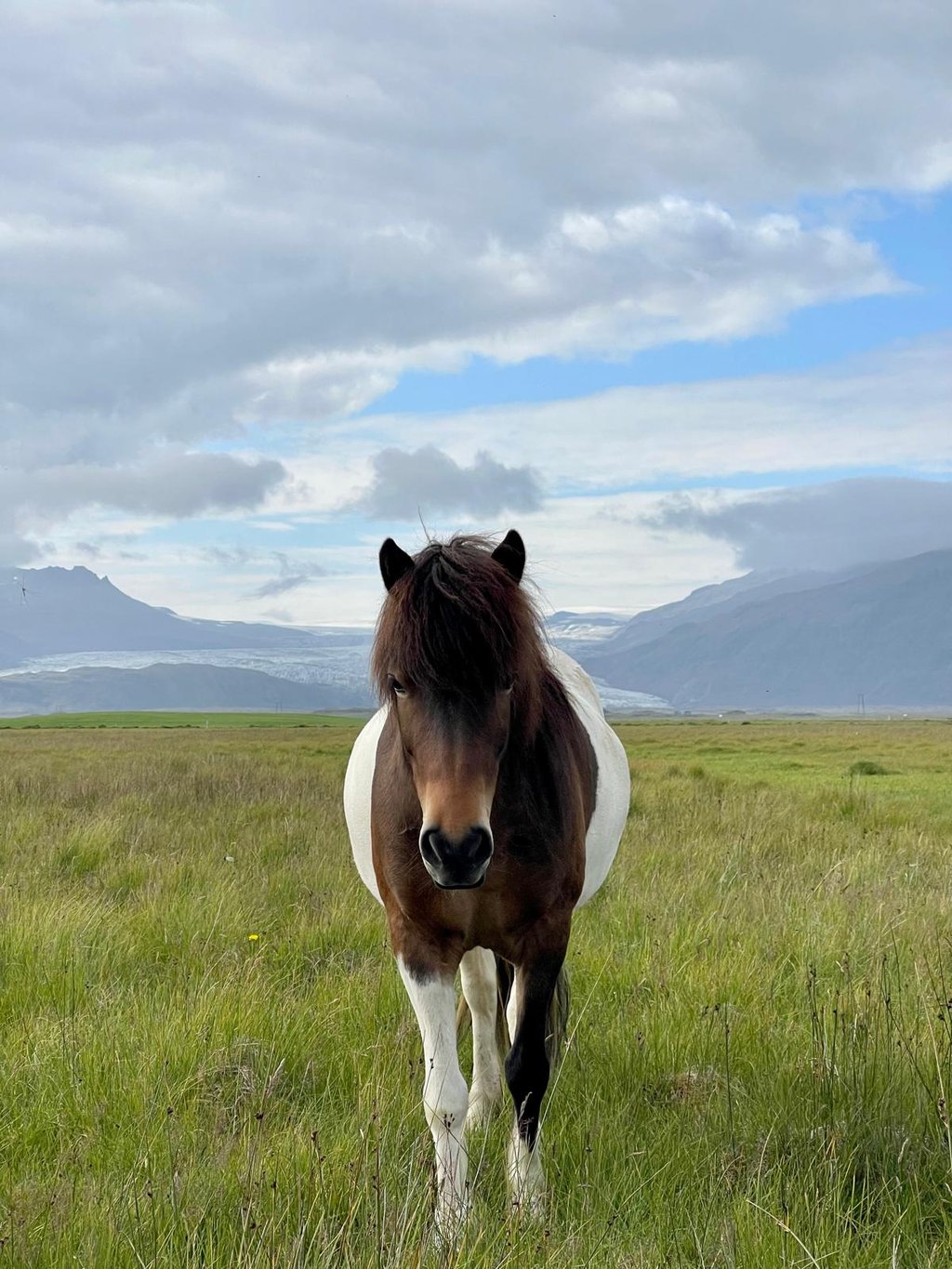
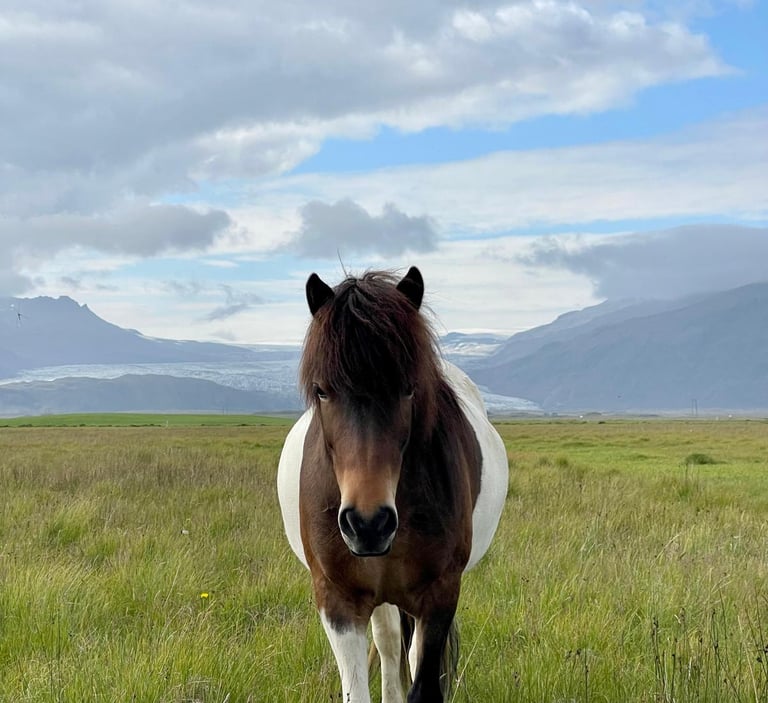
The Icelandic horse lies at the heart of Iceland’s equestrian culture and has been part of the nation’s history since the Viking Age. Known for their strength, resilience and friendly temperament, these horses are unique in their ability to perform five distinct gaits: walk, trot, canter, tölt and flying pace.
In Iceland, riding is far more than a sport or leisure activity. It is a tradition deeply embedded in society, often enjoyed from a young age and shared across generations. This unique heritage is protected by strict laws that prohibit the importation of horses, ensuring the purity of the breed.
Today, the Icelandic horse remains a powerful symbol of national pride, representing the beauty, strength and untamed spirit of Iceland.
ICELAND: THE ICELANDIC HORSE
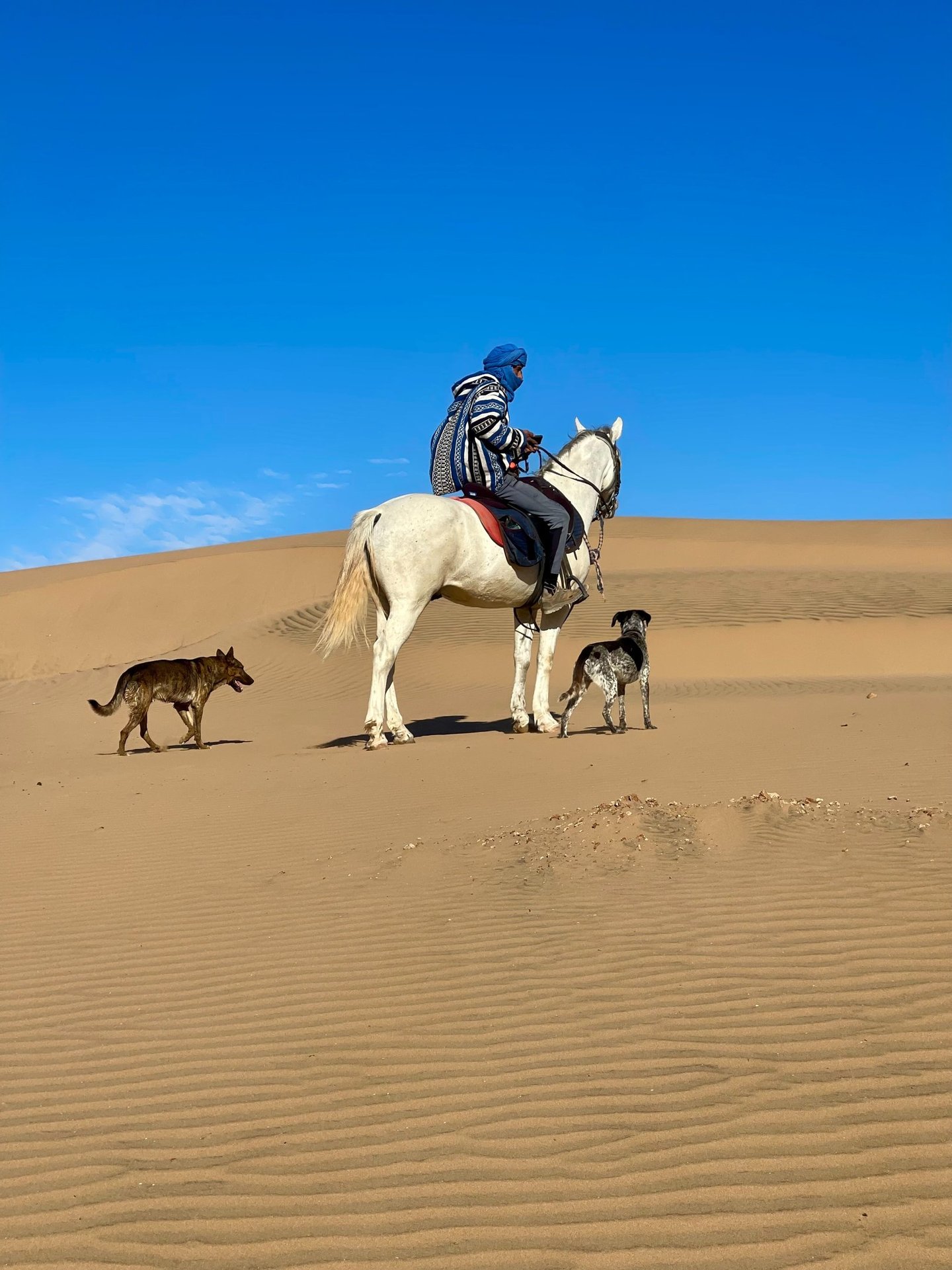
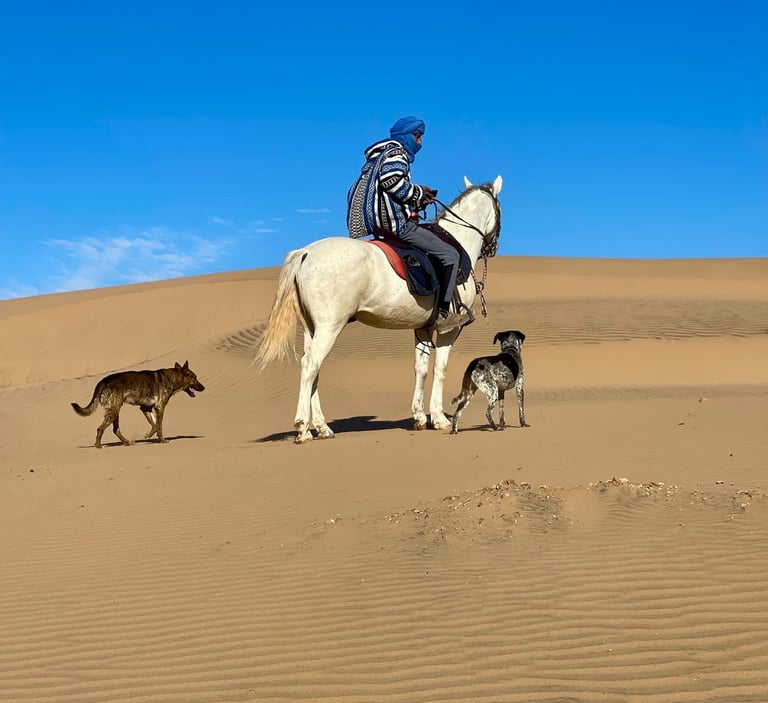
Across Africa, particularly in countries such as Morocco, Nigeria and Burkina Faso, horses continue to play an important role in ceremonies, festivals and cultural celebrations. Events such as the Durbar Festival, held after Ramadan, showcase spectacular displays of horsemanship and demonstrate how horses remain symbols of power, prestige and identity.
Native breeds such as the Arabian and Barb horse are renowned for their endurance, toughness and adaptability. Their influence can be found in horse breeds across the world, making them some of the most important horses in equestrian history.
AFRICA: HORSEBACK WARRIORS